- Shop
-
Our Story
- Our Story
-
Who we are...
- Who we are...
-
About doTERRA
- Our History
- Why dōTERRA?
- dōTERRA Leadership
-
What we do...
- What we do...
-
About Essential Oils
- What are Essential Oils?
- Essential Oil Safety
- Product Innovation
-
Why we do it...
- Why we do it...
-
Ethical Sourcing
- Global Botanical Network
- Cō-Impact Sourcing™
-
Social Responsibility
- Healing Hands Foundation
- Humanitarian Work
-
Discover
- Discover
-
Discover
- Discover
-
Discover
- Product List
- doTERRA Business
- Events
-
Leadership
- Leadership
-
Leadership
- Diamond Club
- Silver Club
-
Monthly Promotions

- Help


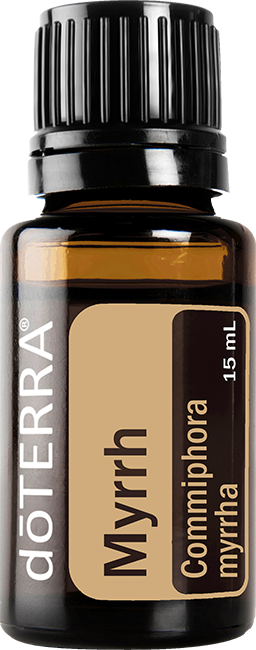
Myrrh
Commiphora myrrha
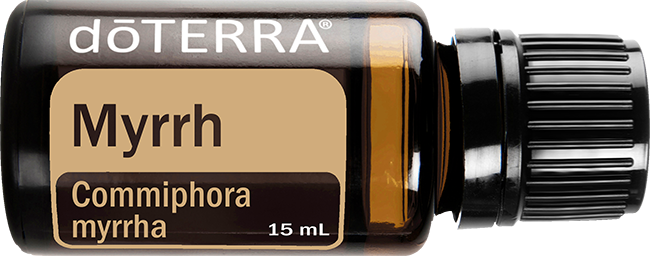
If Frankincense is the “King of oils”, then Myrrh is certainly in the royal court. Its use to improve the appearance of skin. Used historically in meditation and embalming, Myrrh continues to be a precious and important oil in any essential oil collection.
Myrrh
Commiphora myrrha

Primary Benefits
- Provides a soothing and balancing aroma
- Supports oral hygiene
- Calms skin and promotes a smooth, youthful-looking complexion when used with other oils
- Add one to two drops to water and gargle for a mouth rinse
Enhance Your Routine


Uses
- Add one to two drops to toothpaste for added cleansing benefits.
- Add one to two drops to water and gargle for a mouth rinse.
- Blend with a moisturizer to help reduce the appearance of fine lines and wrinkles.
- For a convenient Myrrh application, add 1-2 drops of Myrrh to an empty amber roll-on bottle and mix with Fractionated Coconut Oil.
- Diffuse to create a balanced atmosphere
Directions for Use
Cautions
Possible skin sensitivity. Keep out of reach of children. Consult your doctor if pregnant or in treatment. Avoid eyes, inner ears, and sensitive areas.
Myrrh
Customers Also Buy
Helichrysum

Frankincense
dōTERRA ® Melissa Oil

Lavender
Lemongrass
Copaiba
Sourcing
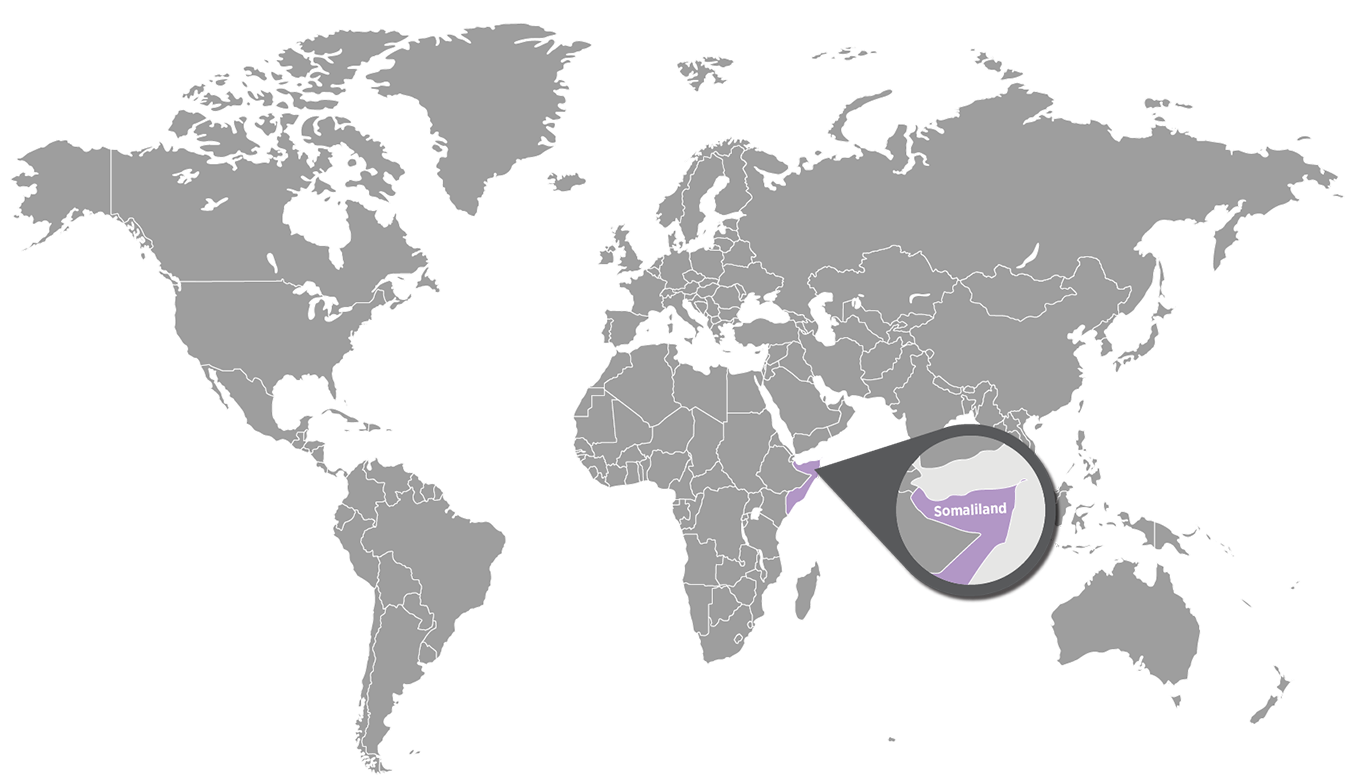
Why Somaliland?
Myrrh, or Commiphora myrrha, is native to Somaliland, where it has been harvested for generations.

How Does it Work?
Myrrh is native to regions in Africa and the Middle East and has been valued and prized since antiquity. Throughout history, Myrrh has been used for perfume, incense, and medicinal purposes.
Myrrh essential oil comes from steam distilling the resin of the small Myrrh tree. The tree has rugged, angled, thorny branches with few leaves. The resin comes from the tree’s sap, which hardens and dries into a glossy, amber-coloured resin that darkens over time. To release the sap from the tree, harvesters make a cut in the wood, which causes it to release the waxy sap or gum. These cuts are controlled to ensure that the trees remain healthy and can thrive for many years.

What's in your bottle?
You will find your Quality ID on the bottom of doTERRA single essential oil bottles purchased after May 2016. The Quality ID will contain a series of six or seven numbers and one letter.
Wellness is in the Air
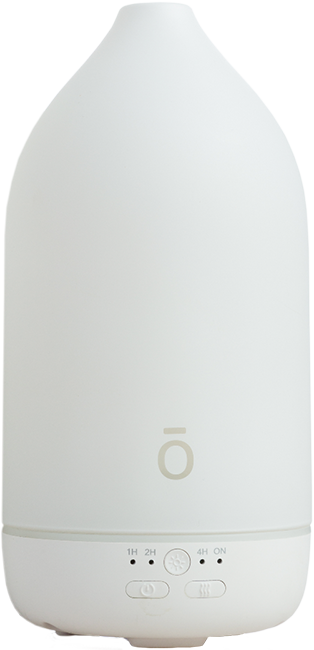
Myrrh Commiphora myrrha

Select your continent
Select your region
- Andorra
- Austria
- Belgium
- Bulgaria
- Croatia
- Cyprus
- Czech Republic
- Denmark
- Estonia
- Finland
- France
- Germany
- Greece
- Hungary
- Iceland
- Ireland
- Italy
- Latvia
- Liechtenstein
- Lithuania
- Luxembourg
- Malta
- Monaco
- Netherlands
- Norway
- Poland
- Portugal
- Romania
- Russia
- Slovakia
- Slovenia
- Spain
- Sweden
- Switzerland
- United Kingdom
- Not Listed