- Shop
-
Our Story
- Our Story
-
Who we are...
- Who we are...
-
Get to Know Us
- Our Story
- doTERRA Leadership
- Our Impact
-
What we do...
- What we do...
-
Essential Oil Facts
- What are essential oils?
- How to use essential oils
- Certified Pure Tested Grade™
-
Why we do it...
- Why we do it...
-
The dōTERRA Difference
- Why dōTERRA?
- dōTERRA Healing Hands™
- Co-Impact Sourcing
- Source to You™
-
Discover
- Discover
- Product Education
- Events
- Shipping
-
Monthly Promotions

- Help


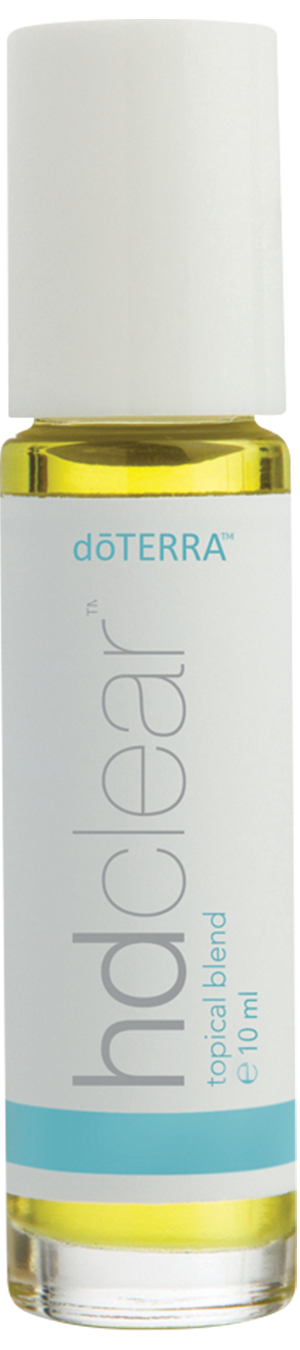
HD Clear™ Topical Blend
Formulated with Black Cumin Seed Oil and CPTG essential oils, this potent formula can be applied to targeted areas on the face and body. The beneficial essential oils in HD Clear Topical Blend are soluble through lipids in the skin, allowing for perfect absorption and effectiveness. HD Clear Topical Blend promotes a clear, smooth complexion for skin of all ages.

Primary Benefits
- Promotes a clear complexion, helping skin feel smooth and cleansed
- Formulated to help reduce breakouts on the face and body
- Helps keep skin clean, clear, and hydrated when used on a regular basis
- Easily apply to targeted areas with the convenient roll-on applicator

What's Inside?
Eucalyptus Radiata Leaf/Stem Oil, Eucalyptus Polybractea Leaf Oil, Eucalyptus Kochii Leaf Oil, Eucalyptus Loxophleba Leaf Oil, Eucalyptus Globulus Leaf Oil
Sometimes referred to as Gum Trees, Eucalyptus trees are evergreens that grow up to 15 metres in height. The main chemical components of Eucalyptus are eucalyptol and alpha-terpineol, which make this oil ideal for a soothing massage experience. Eucalyptus promotes feelings of relaxation when applied to the skin.
Geraniums are grown for their beauty and their sweet, floral aroma is a staple of the perfume industry. Use of Geranium essential oil dates back to ancient Egypt, where Egyptians used Geranium to beautify skin. Geranium has been used to promote the appearance of healthy skin – making it ideal for skin products.
Discover MoreTea Tree essential oil – often referred to as “Melaleuca” essential oil – has over 92 different compounds and amazing topical applications. The leaves of the Melaleuca were used by the Aborigines of Australia for centuries. They would crush the leaves and apply directly to the skin for a cooling effect. Melaleuca is best known for its purifying properties. It can be used to cleanse and purify the skin and nails and to support a healthy complexion. Melaleuca is frequently used on occasional skin irritations and to soothe the skin.
Discover More
Uses
- Apply to smooth out imperfections on your skin and target blemishes
- Apply nightly to cleanse and hydrate your skin and achieve more smooth and clear skin in the morning
Cautions
For external use only. Avoid contact with eyes.

HD Clear™ Topical Blend
Customers Also Buy

Lemon

Tea Tree

Lavender
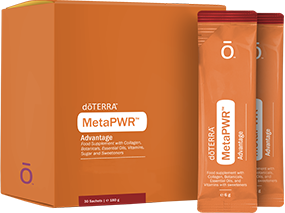
MetaPWR™ Advantage – Pomegranate-Cherry Flavour

PB Restore™

Phytoestrogen Essential Complex
Sourcing
Extensive, sustainable sourcing partnerships empower doTERRA to produce exclusive, proprietary oils and blends that preserve the purity and potency of each plant.


Wellness is in the Air


HD Clear™ Topical Blend
Learn More
Lorem ipsum, or lipsum as it is sometimes known, is dummy text used in laying out print, graphic or web designs. The passage is attributed to an unknown typesetter in the 15th century who is thought to have scrambled parts of Cicero's De Finibus Bonorum et Malorum for use in a type specimen book.

Select your continent
Select your region
- Andorra
- Austria
- Belgium
- Bulgaria
- Croatia
- Cyprus
- Czech Republic
- Denmark
- Estonia
- Finland
- France
- Germany
- Greece
- Hungary
- Iceland
- Ireland
- Italy
- Latvia
- Liechtenstein
- Lithuania
- Luxembourg
- Malta
- Moldova
- Monaco
- Netherlands
- Norway
- Poland
- Portugal
- Romania
- Russia
- Slovakia
- Slovenia
- Spain
- Sweden
- Switzerland
- United Kingdom
- Ukraine
- Not Listed